Six Ingredients. Nothing Else.
Every ingredient in Zim Zam was chosen for one reason: it appears in Zamzam water's mineral profile. Nothing was added to improve the taste, the color, or the marketing. If it is not in Zamzam water, it is not in the bag.
"It's not a single one of these in a super overdosed amount. It's all of them on a level that is about one-tenth maximum of your daily serving."
Abel, Zim Zam co-founder
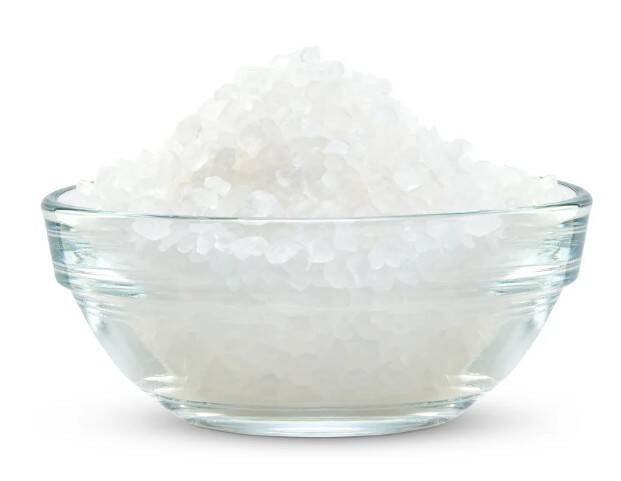
Baja Sea Salt
The foundation of the blend.
We tested every salt we could find. Baja Sea Salt was the closest mineral match to Zamzam water of any natural salt on the planet.
It has the lowest sodium content of any natural salt — which surprises most people, because they assume all salt is sodium. It has the highest naturally occurring magnesium and potassium. And it contains 91 trace minerals. Zamzam water has approximately 150. No other salt comes close to that kind of mineral diversity.
But what makes Baja Sea Salt truly different is how it is harvested. Most salts on the market — including many sold as "sea salt" — come from dried-up seabeds. They are mined. They pass through metal equipment. They are processed and refined before they reach you.
Baja Sea Salt is harvested directly from the ocean off the coast of Baja, Mexico. It is not mined. It does not pass through metal. It is so unrefined and wet when it arrives that we have to dry it ourselves before we can use it in the blend.
"It's so wet that we have to actually dry it. This is something that we do — we have to dry the salt. It is so unrefined and literally straight out of the ocean."
Abel, Zim Zam co-founder
That is the ingredient we chose to build on. The salt that is closest to Zamzam. The one that still carries the ocean in it when it arrives at our door.
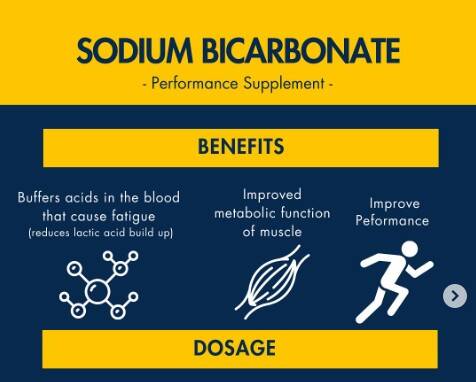
Sodium Bicarbonate
What makes the water alkaline.
Zamzam water has a natural alkalinity of approximately pH 7.8 — slightly alkaline, never extreme. That alkalinity comes from bicarbonates. Sodium bicarbonate mirrors this in our blend.
Bicarbonates do more than adjust the pH. They create the alkaline environment that helps your body absorb the other minerals in the blend. Without them, calcium and magnesium are harder for your body to use.
Here is why this ingredient matters for understanding Zim Zam's place in the market: most electrolyte brands cannot include bicarbonates. When you overdose minerals, you need sugar to make it drinkable. Sugar reacts with bicarbonates in acidic conditions, effectively destroying them. Every brand that adds sugar has made a choice — whether they know it or not — to remove one of Zamzam water's most important mineral components.
We have no sugar. So the bicarbonates stay.
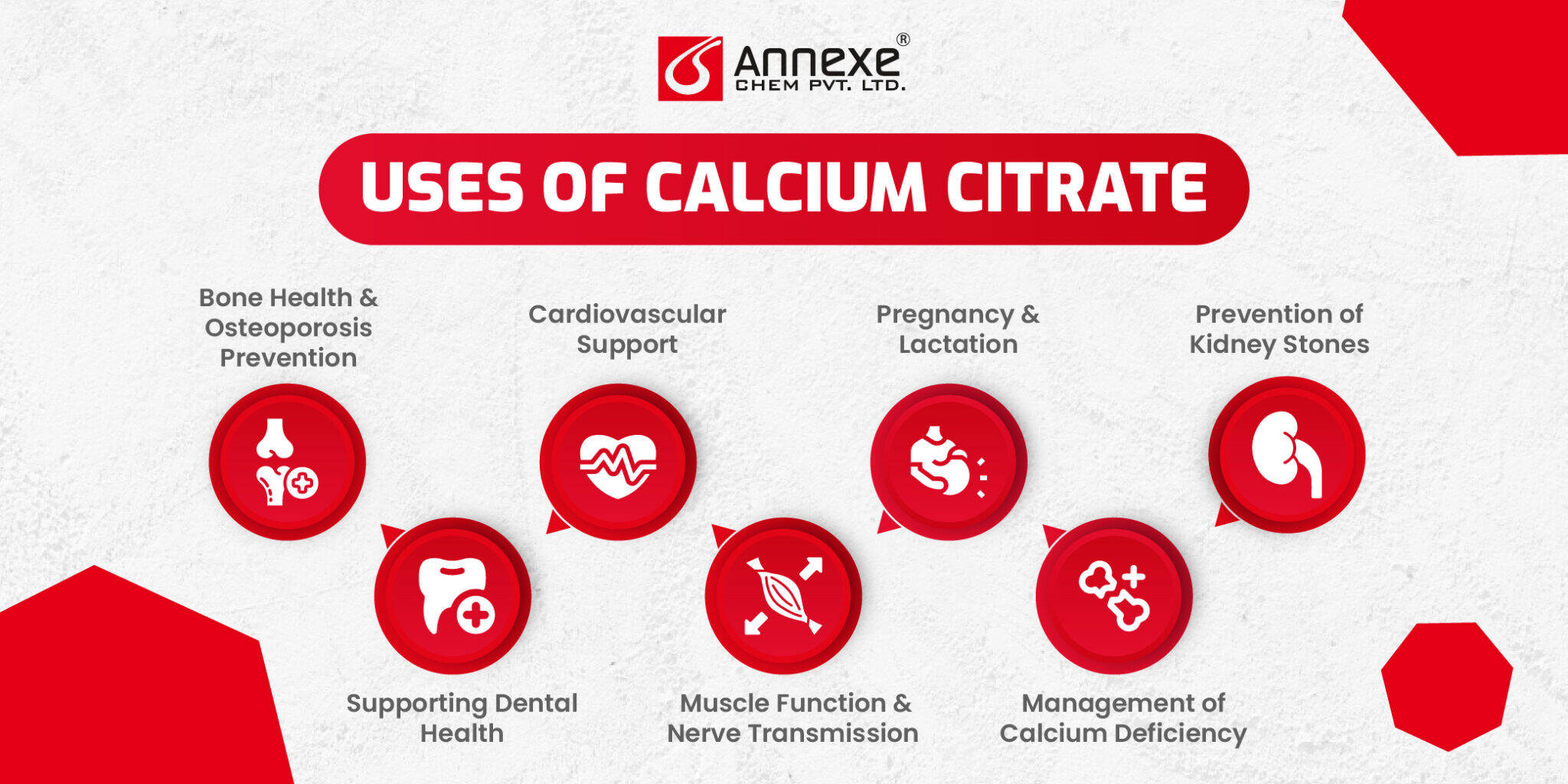
Calcium Citrate
The mineral Zamzam water has more of than almost anything else.
Zamzam water contains roughly 23 times the calcium of typical mineral water. Mineral water already has several times the calcium of tap water. The difference between Zamzam and what comes out of a faucet is enormous.
Calcium citrate was chosen as the delivery form because of its bioavailability — how much of the calcium your body actually absorbs rather than passing through unused. It is also gentle on the stomach, which matters in a product designed for all-day use.
One practical note: calcium citrate does not fully dissolve in water. You may notice a fine sediment that settles at the bottom of your glass. That is the calcium. It is not a flaw — it is what real calcium looks like in water. Shake before your last few sips.
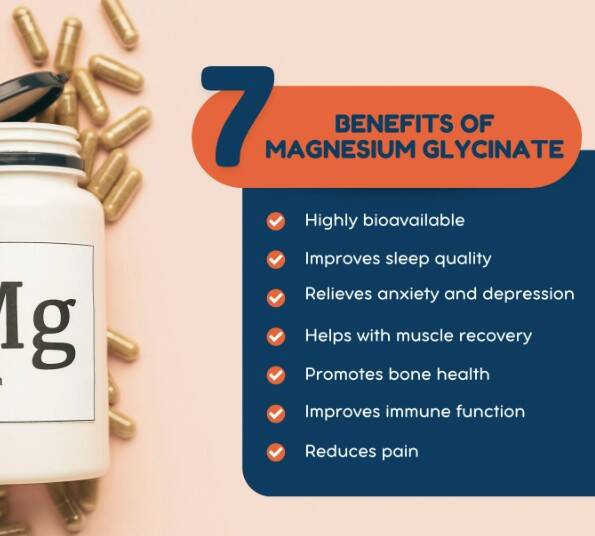
Magnesium Glycinate
The form of magnesium your body can actually use.
Zamzam water has moderate, consistent magnesium levels. We needed a form of magnesium that matched that — effective but not harsh.
Magnesium glycinate has among the highest bioavailability of any magnesium supplement form. Bioavailability means how well your body absorbs it — a mineral you cannot absorb is a mineral you wasted. Glycinate is also one of the gentlest forms on the stomach. Other common forms — magnesium oxide, magnesium citrate — are known for digestive disruption at higher doses. Glycinate avoids that.
This matters because Zim Zam is designed to be used up to twelve times a day. The magnesium in each scoop needs to absorb cleanly and cause no discomfort at repeated doses.
Potassium Chloride
Matching Zamzam water's potassium at moderate, safe levels.
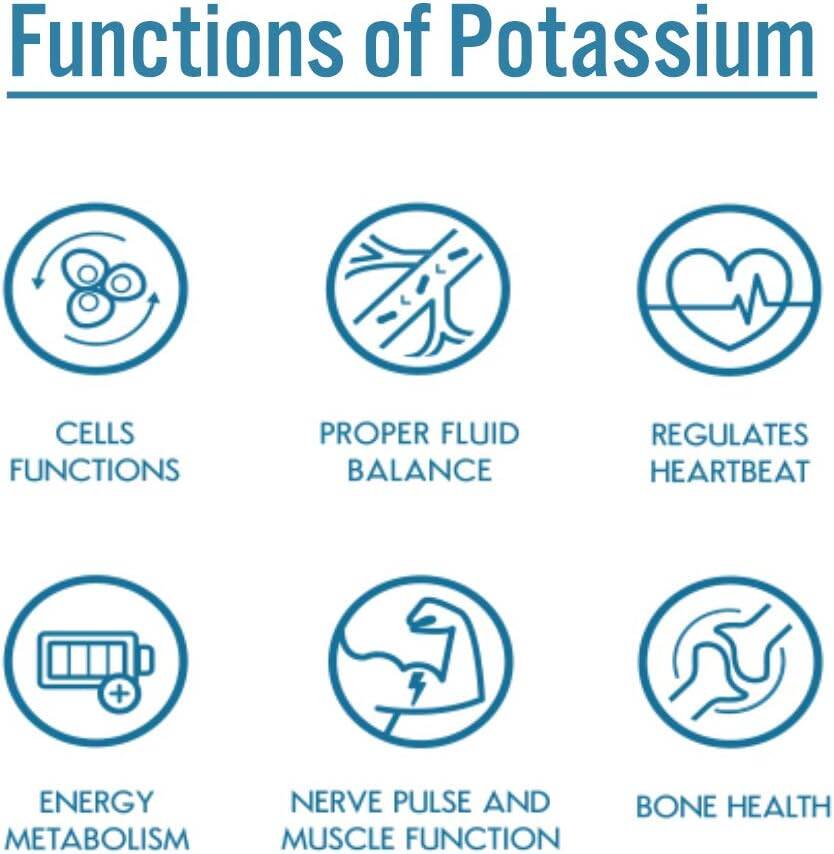
Zamzam water contains roughly six times the potassium of typical mineral water. Potassium is essential for cellular function, muscle recovery, and hydration — and it is one of the minerals the electrolyte industry keeps going back and forth on.
Recent trends have swung from sodium-heavy formulas to potassium-heavy ones. The problem is that overdosing on potassium is just as dangerous as overdosing on sodium. Your heart depends on a precise potassium balance.
Our approach is not to follow the latest study. It is to match the ratio that has existed in Zamzam water for 1,400 years — a moderate amount of potassium, in balance with the other minerals, at roughly one-tenth of your daily needs per serving. Not too much. Not too little. The middle path.
Magnesium Sulfate
The second form of magnesium — and here is why we use two.
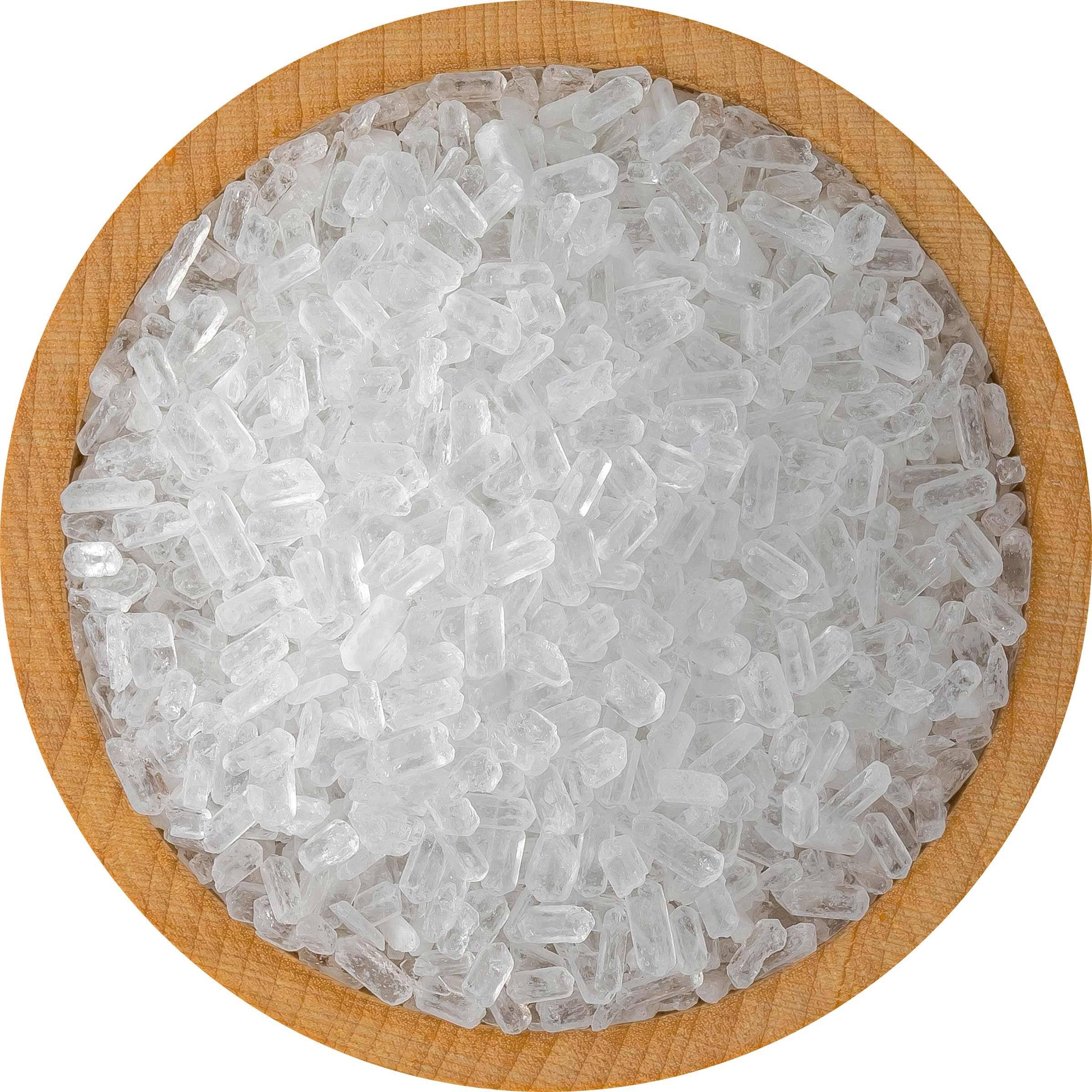
Zamzam water has significant sulfate content — 180 mg/L. Sulfates support detoxification pathways and play a role in mineral absorption. To match this part of Zamzam's profile, we needed a sulfate source. Magnesium sulfate serves double duty: it delivers both the magnesium and the sulfate ions.
This is why the blend contains two forms of magnesium. Magnesium glycinate is there for the magnesium — high absorption, gentle on the stomach. Magnesium sulfate is there primarily for the sulfate ions — matching a component of Zamzam's mineral profile that most people overlook entirely.
It is not redundancy. It is precision.
Why the Ratio Matters
Most brands pick one mineral and push it as hard as they can. More sodium. More potassium. More magnesium. The thinking is simple: more of a good thing must be better.
But minerals do not work alone. Calcium needs magnesium for proper utilization. Potassium needs sodium for cellular transport. Bicarbonates create the conditions that make everything else absorbable.
This is the concept of companion compounds — minerals that are more effective together than in isolation. An isolated mineral, even at a high dose, may pass right through your body unused. The same mineral, in the presence of its companions, becomes bioavailable.
"It's not that Zamzam has the minerals like 'oh yeah, our electrolyte mix also has potassium.' No — it's what else does it also have, because that actually means your potassium could be inaccessible. But because ours is in this exact golden ratio is exactly the reason why it's accessible."
Saif Qasrawi, inorganic research chemist and Zim Zam co-founder
Zamzam water has this ratio naturally. Six minerals working together, none overdosed, all in balance. We matched that ratio — not just the individual ingredients.
What Is Not in It
No sugar. No artificial sweeteners. No colors. No flavors. No preservatives. No fillers.
Most electrolyte brands add sugar because they have to — overdosed minerals taste terrible, and sugar masks the flavor. But sugar does more than add calories. It reacts with bicarbonates, eliminating one of Zamzam water's most important components. And it signals to your body that you are consuming food, not water — changing how your body processes the minerals entirely.
We have nothing to mask because there is nothing to mask. Moderate doses of clean minerals taste like what they are: water that has been upgraded.